


The owner of a B2B SaaS product had three developers, a project manager, and a developer on standing retainer in case anything broke. The backend crashed multiple times a day, and the team’s job had become babysitting restarts while customers complained.
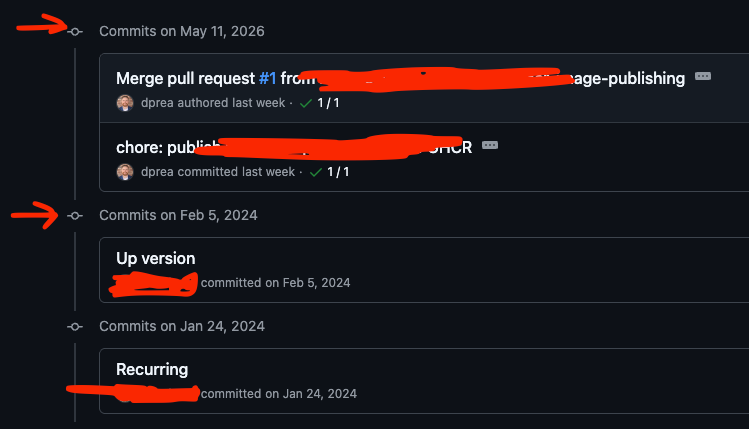
The app hadn’t deployed in two years, and no new contractor would touch it.
The stack was Java on the backend and Angular 1 on the front. A previous contractor team had started a TypeScript rewrite and were six months behind on the delivery.
Two React Native apps sat in the portfolio, a legacy one and a new one. Nobody, including the owner, knew what shipped against what.
Within 90 days, working part-time, I replaced the entire team.
When I got in, the obvious problem was no documentation. Two years of frozen deploys meant whatever institutional memory existed had walked out the door with previous developers.
Underneath the documentation gap was a worse problem. Some of the code had walked out with the developers, literally.
His deployments were going to a cloud account that belonged to a developer who didn’t work for him anymore. Pieces of the software lived in personal accounts under developers’ names. The owner was paying for production infrastructure he didn’t fully control.
He had inherited the configuration that let every developer who touched the product walk off with a slice.
That’s why nobody would touch it. Touching it meant negotiating with people who had left.
The first move was to stop the bleeding. I set up auto-restart on the backend and patched the core issues that had been causing the daily crashes. Within a few weeks, nobody was on restart duty.

The next move was visibility. AI mapped the codebase top to bottom and generated the documentation that nobody had written. Once I could see what existed, I could see what needed to move.
Then came ownership. I traced every piece of infrastructure (code repositories, deployment pipelines, cloud accounts) back to whoever’s account it lived in and migrated it under the owner’s control. By the end of that phase, every piece of his product was actually his.
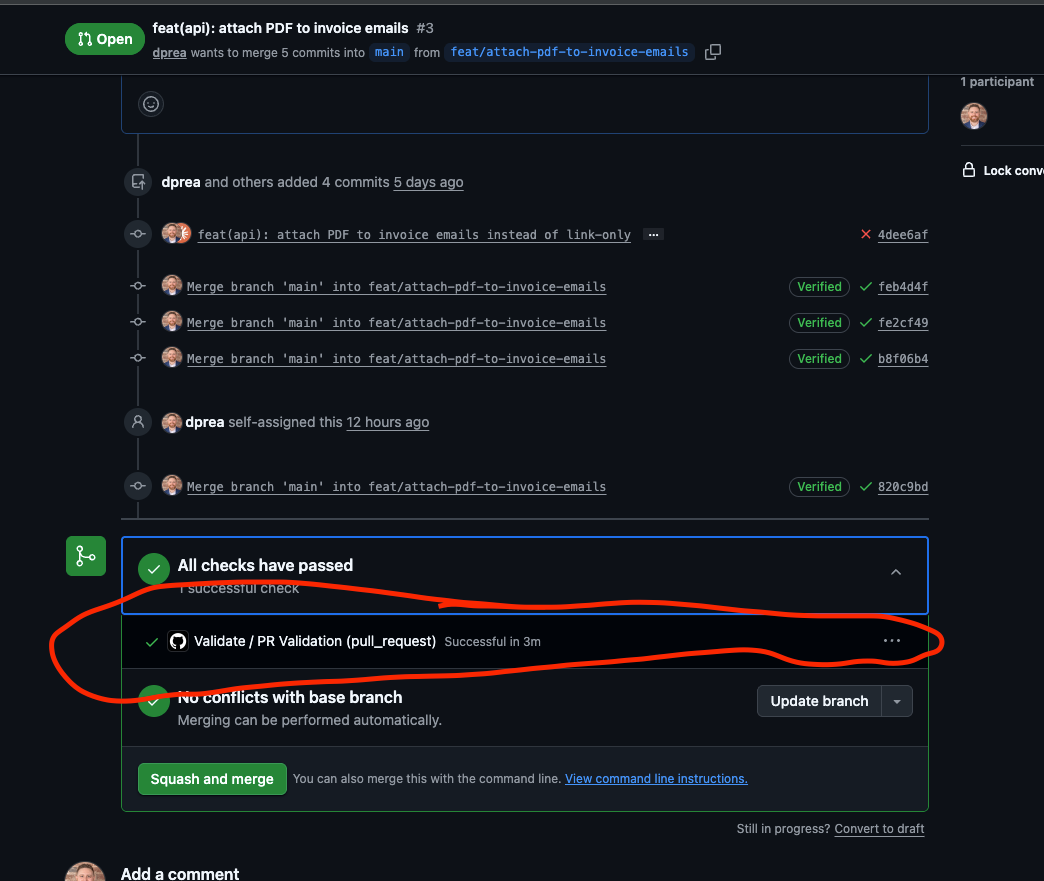
After ownership came modern delivery. New deployment pipelines lived under the owner’s accounts, configured so deploys could ship without ceremony and roll back without drama.
The last piece was monitoring. Alerts surfaced problems through dashboards, not through customers.
Once the documentation existed and the accounts were consolidated, the team had a fair shot at the new pace. The same AI coding tools I was using were available to them. They could have picked them up and kept up.
They didn’t. Whether they couldn’t or chose not to, the result was the same.
That’s the part a lot of founders don’t see coming. Giving a developer AI doesn’t close the gap if the developer doesn’t pick it up. The tool doesn’t replace the operator.
Ninety days in, the owner cut the standing retainer and off-boarded the original team. The backend that used to crash daily was stable. Issues surfaced through alerts now, not through customer complaints. Shipping was happening again, and the rewrite had a real path forward.
What made the 90-day pace possible was two things together: principal-level strategy applied to the platform, and rapid execution against that strategy with AI agents.
Strategy without agents would have taken a year, and agents without strategy would have produced more sprawl, not less. The combination is what bent the curve.
This was a live service with thousands of paying users. Pausing it to rebuild was not an option. Every change had to ship without breaking the people already paying.
The problem itself is more common than first-time founders realize. Before AI agents were in the mix, fixing a frozen B2B SaaS like this used to mean two extra developers, $20k-$30k/mo, and a year on the calendar. Now I do it solo. I charge 75% less for the same fix and deliver it 75% faster.
If your product looks anything like this, you’re not stuck. You just need the right system in place.
Dustin Rea runs a solo development practice for non-technical B2B SaaS founders. More at dustinrea.com.